
Understanding what weighs 1 pound can be surprisingly useful in everyday life. Whether you are measuring ingredients for a recipe, estimating a package’s weight, comparing household objects, or simply learning about measurements, having familiar examples makes it easier to picture one pound.
One pound is not as heavy as many people imagine. It is equal to 16 ounces or approximately 453.6 grams. You can find this weight in ordinary grocery items, fruits, household products, and sports equipment.
The easiest way to understand this measurement is to compare it with things you already recognize. Below are 13 everyday examples that help you visualize what one pound actually feels like.
Quick 1 Pound Weight Reference Box
Before exploring individual examples, it helps to understand the basic conversions. A pound is a standard unit of weight commonly used in the United States and other countries that follow the imperial measurement system.
Here is a quick reference table to help you remember the measurement.
| Measurement | Equivalent |
| Pounds | 1 lb |
| Ounces | 16 oz |
| Grams | 453.6 g |
| Kilograms | 0.454 kg |
| Milligrams | 453,592 mg |
| Water | About 1 US pint |
| Weight in ounces | 16 ounces |
Quick fact: One pound is slightly less than half a kilogram. If you have an object weighing approximately 454 grams, you are holding something close to one pound.
13 Everyday Things That Weigh 1 Pound
You do not need special equipment to imagine what one pound weighs. Many familiar household products and grocery items provide useful comparisons.
The following 13 examples include objects that weigh exactly one pound when sold in standard packaging and others that come close to this measurement.
1. A Box of Butter
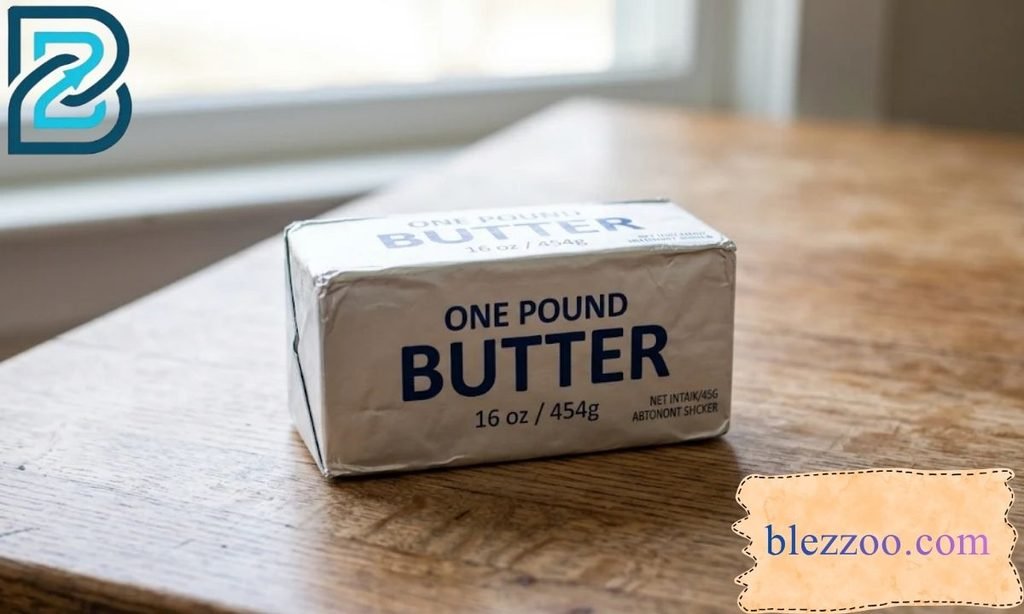
A standard American box of butter containing four sticks weighs exactly one pound. Each stick weighs four ounces, so four sticks combine to make 16 ounces.
Butter is one of the easiest household examples because its packaging clearly displays the weight.
- Four sticks of butter = 1 pound.
- One stick = 4 ounces.
- Two sticks = Half a pound.
- Four sticks = Approximately 453.6 grams.
If you want a reliable visual reference for one pound, a standard four-stick butter package is an excellent choice.
2. A Pint of Water

Water provides another useful way to understand one pound. A US pint contains 16 fluid ounces by volume and weighs approximately 1.04 pounds.
This is slightly more than one pound, but it is close enough to serve as a practical everyday comparison.
A simple way to remember this is that water weighs approximately one gram per milliliter. Therefore, around 454 milliliters of water weighs approximately one pound.
Important: A pint measures volume, not weight. The same pint-sized container filled with oil, milk, or another liquid will have a different weight.
3. A Standard Box of Dry Pasta

A standard 16-ounce box of dry pasta weighs one pound. It is a common grocery item that provides a convenient reference for understanding this measurement.
Different pasta shapes, including spaghetti, penne, macaroni, and fusilli, are often available in one-pound packages.
The interesting thing is that pasta can occupy a relatively large amount of space without feeling particularly heavy. This shows why an object’s size does not always tell you its actual weight.
Always check the package label because some pasta boxes contain 8, 12, or 14 ounces instead of 16 ounces.
4. Three Medium Bananas

Three medium bananas can provide a useful comparison for approximately one pound, depending on their size and whether you include the peels.
A medium banana without its peel weighs around 120 grams. Three peeled bananas therefore weigh approximately 360 grams, which is less than one pound.
With their peels included, three medium bananas can approach or exceed one pound depending on their individual sizes.
This makes bananas a helpful visual example, although they are not an exact measurement.
5. A 1-Pound Bag of Coffee Beans

Coffee beans are another excellent example of a one-pound object. Many coffee brands sell whole beans in packages labeled 16 ounces or one pound.
The bag may look relatively small, but the coffee inside reaches the full 453.6-gram measurement.
Coffee beans also demonstrate how weight and volume are different. A bag filled with large, lightweight objects might look bigger than a bag containing dense materials, even when both weigh exactly one pound.
If you regularly buy coffee, an unopened one-pound bag can become a convenient reference for estimating weight.
6. A Paperback Novel

A paperback novel can sometimes weigh close to one pound, particularly if it contains many pages or uses thicker paper.
However, not every paperback book reaches this weight. A smaller novel with approximately 200 to 250 pages may weigh considerably less, while a thick paperback can approach or exceed 16 ounces.
Several factors influence a book’s weight:
- Number of pages.
- Paper thickness and quality.
- Book dimensions.
- Cover material.
- Printing and binding.
A thick paperback novel is a useful comparison when you want to imagine holding approximately one pound in your hands.
7. A Can of Soup or Beans

A standard can of soup or beans is another familiar household item that comes close to one pound.
Many grocery cans contain approximately 14 to 16 ounces of food. When you include the metal container, the total weight can approach or slightly exceed one pound.
For example, a 15-ounce can of beans contains 15 ounces of net product, but its packaging adds additional weight.
This makes canned food a convenient way to develop a sense of how heavy one pound feels.
Remember that the net weight printed on a food label usually refers to the product rather than the entire unopened package.
8. Three to Four Medium Apples

Apples are another easy way to visualize one pound. A medium apple commonly weighs around five to six ounces, although varieties and sizes differ.
Three medium apples can weigh approximately one pound or slightly more. Four smaller apples may provide a similar comparison.
The exact weight depends on the variety, moisture content, and size of each apple.
For a practical estimate, remember:
- One medium apple: Around 5 to 6 ounces.
- Three medium apples: Around 15 to 18 ounces.
- Four small apples: Can approach one pound.
This makes apples useful when estimating grocery weights without a kitchen scale.
9. A Regulation Football

A regulation American football is surprisingly close to one pound. According to standard football specifications, its weight generally falls between 14 and 15 ounces.
That means it weighs slightly less than 16 ounces, which is the equivalent of one pound.
The football’s shape and materials make it feel different from a one-pound bag of food, even though the total weight is similar.
A regulation football is a useful comparison for sports enthusiasts who want to understand what one pound feels like without using a measuring scale.
Read more information on : Home page
10. A Small 1-Pound Dumbbell
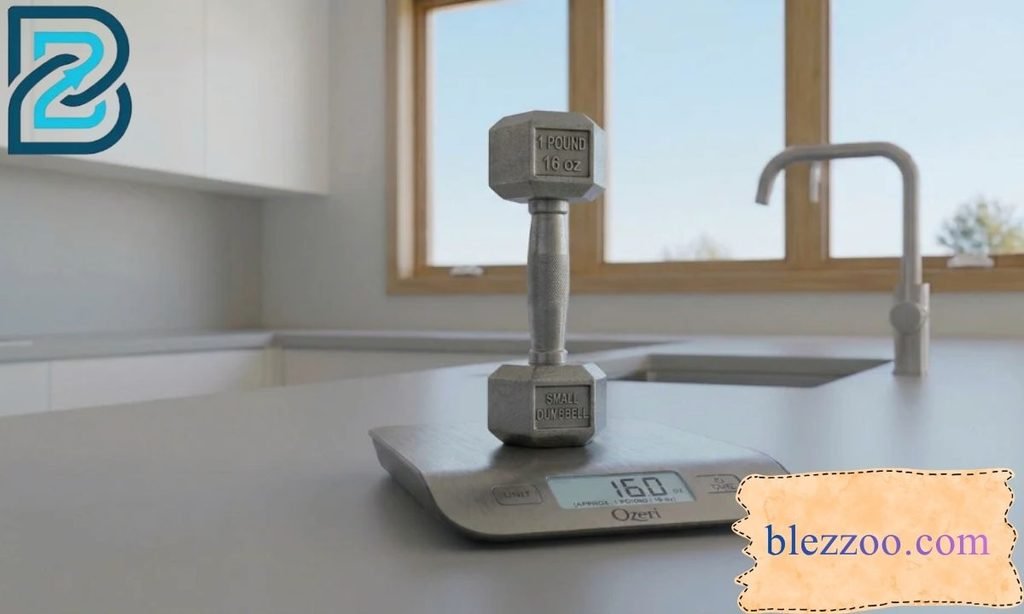
A one-pound dumbbell is perhaps the most straightforward example on this list because it is specifically manufactured to weigh one pound.
These small weights are commonly used for light exercise, rehabilitation routines, warm-ups, and certain fitness activities.
Unlike fruits or packaged groceries, a properly manufactured one-pound dumbbell provides a more consistent reference.
Holding one in each hand gives you two pounds of resistance in total, assuming each dumbbell weighs exactly one pound.
It is also a convenient way to become familiar with the difference between lightweight and heavier exercise equipment.
11. A Loaf of Sandwich Bread

A standard loaf of sandwich bread can weigh approximately one pound, although some varieties are lighter or heavier.
Many grocery stores sell sliced bread in packages labeled 16 ounces. These loaves provide an easy comparison because they are common in everyday kitchens.
Bread weight depends on several factors, including:
- Number of slices.
- Moisture content.
- Bread ingredients.
- Loaf size and density.
Whole wheat, white, multigrain, and specialty breads may have different weights even when their packages appear similar.
An unopened one-pound loaf is a simple way to picture the weight of 16 ounces.
12. A Pint of Strawberries

A pint of strawberries can weigh close to one pound, but the actual amount varies depending on the size and arrangement of the fruit.
A US pint is a measurement of volume rather than weight. Therefore, a pint container does not automatically contain 16 ounces of strawberries by weight.
Depending on the fruit size and how tightly the container is filled, a pint may weigh approximately 10 to 16 ounces.
Strawberries are still a useful comparison because they show how different foods can occupy the same container size while having different weights.
For an accurate measurement, check the package label rather than relying on the pint designation alone.
13. A Small Bag of Rice or Flour
A small bag of rice or flour labeled 16 ounces weighs exactly one pound in net product weight.
These pantry staples are excellent examples because they are commonly sold in different package sizes.
Rice and flour are also useful for understanding the difference between weight and volume. A cup of flour does not weigh the same as a cup of rice because their density and arrangement differ.
A one-pound bag offers a clear reference:
- 16 ounces of rice = 1 pound.
- 16 ounces of flour = 1 pound.
- 453.6 grams = Approximately 1 pound.
If you want a simple grocery-based reference, look for a package displaying 1 lb or 454 g on its label.
How to Estimate 1 Pound Without a Scale
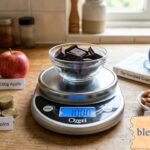
You do not always need a digital or kitchen scale to estimate whether something weighs one pound. With a few familiar household objects and simple measurement tricks, you can make a reasonably accurate guess.
Here are five practical methods you can use.
1. Use a One-Pound Reference Object
Choose something with a clearly labeled weight, such as a one-pound butter package, a bag of rice, or a box of pasta.
Hold another object in your hand and compare the two. If both feel similar, their weights may be close.
2. Use Water as a Measurement Guide
Water is one of the easiest materials to use when estimating weight.
- 100 ml of water weighs approximately 100 grams.
- 250 ml weighs approximately 250 grams.
- 454 ml weighs approximately 454 grams.
- 454 grams is approximately one pound.
You can use a measuring jug to create a reliable one-pound water reference.
3. Compare Objects Using Your Hands
Your hands can help you make rough weight comparisons.
For example, pick up a one-pound package of butter and remember how it feels. Later, compare that feeling with a book, a food container, or another household object.
This method is useful for quick estimates, but it cannot replace an accurate scale.
4. Check the Product Label
Many grocery products display their weight directly on the packaging.
Look for labels such as:
- 1 lb
- 16 oz
- 454 g
- 0.454 kg
These measurements represent approximately the same amount of weight.
5. Use a Simple Weight Comparison Chart
Remembering a few common measurements makes everyday estimation much easier.
The following table provides some useful reference points.
| Everyday Reference | Approximate Weight |
| Four sticks of butter | 1 lb |
| Three medium apples | Around 1 lb |
| Regulation football | 14 to 15 oz |
| One-pound dumbbell | 1 lb |
| US pint of water | 1.04 lb |
| Standard 16-ounce pasta box | 1 lb |
| Medium paperback book | Varies |
Best tip: Keep one unopened, clearly labeled one-pound grocery item at home. It can help you develop a better understanding of this measurement whenever you need it.
Three Things People Get Wrong About 1 Pound
Although one pound seems like a simple measurement, people often misunderstand how it works. Here are three common mistakes worth avoiding.
1. Confusing Fluid Ounces With Weight Ounces
One of the biggest mistakes is assuming that fluid ounces and regular ounces measure the same thing.
They do not.
- Fluid ounces measure volume.
- Regular ounces measure weight.
- Sixteen ounces of weight equal one pound.
- Sixteen US fluid ounces of water weigh approximately 1.04 pounds.
This distinction matters when measuring cooking ingredients and liquids.
2. Assuming Every Object of the Same Size Has the Same Weight
Two objects can have similar dimensions but completely different weights.
For example, a box filled with feathers will weigh much less than a similarly sized box filled with metal objects.
The reason is density. Materials with more mass packed into the same amount of space generally weigh more.
Therefore, appearance alone is not a reliable way to determine weight.
3. Believing That Every Everyday Example Weighs Exactly One Pound
Many household examples are approximate rather than exact.
Three bananas, a paperback novel, a loaf of bread, and a pint of strawberries can all have different weights depending on their size, packaging, and contents.
For accurate measurements, always check the label or use a properly calibrated scale.
FAQs
What weighs exactly 1 pound?
A standard four-stick box of butter weighs exactly 16 ounces.
How many grams are in 1 pound?
One pound equals approximately 453.6 grams.
Is 1 pound heavy to carry?
No, one pound is generally considered a lightweight amount.
Do three bananas weigh 1 pound?
Three medium bananas can weigh around one pound, depending on their size.
What household item is closest to 1 pound?
A standard one-pound butter package is an excellent household reference.
Final Words
Understanding what weighs 1 pound becomes much easier when you compare the measurement with familiar everyday objects. A four-stick butter package, a one-pound pasta box, a small dumbbell, and a labeled bag of rice are all convenient examples.
Remember that one pound equals 16 ounces, approximately 453.6 grams, or 0.454 kilograms.
The next time you need to estimate an object’s weight without a scale, use one of these familiar references. It is a simple way to make everyday measurements easier, whether you are cooking, shopping, exercising, or comparing household items.
Read more information on : What weighs 100 grams







1 thought on “What Weighs 1 Pound? 13 Surprising Everyday Examples”